
 EN
EN
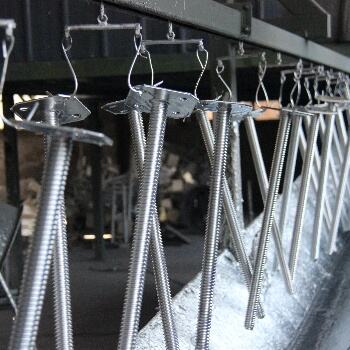
Superior Load Capacity of Ringlock Scaffold Systems
Engineering Design Behind High Load-Bearing Performance
The ringlock scaffolding system gets its impressive strength from how the components fit together. Vertical posts placed between half a meter and one and a half meters apart create strong points where weight gets spread out in different directions. Ledger heads fixed at specific angles help transfer forces horizontally, cutting down on stress concentration spots by around two thirds when compared to traditional tube and clamp setups according to Construction Safety Institute research from last year. What makes this framework so reliable is its ability to handle static loads over 6 kilonewtons per square meter, which works out to about 612 kilograms per square meter without any bending or deformation happening.
Independent Lab Testing and Verified Load Ratings
Third-party testing validates Ringlock’s performance under extreme conditions:
| Configuration | Load Capacity | Compliance Standard |
|---|---|---|
| Standard (OD48.3mm tubes) | 396.3 kN | EN 12811-1:2003 |
| Heavy-duty (OD60.3mm tubes) | 639.1 kN | OSHA 1926.452 |
These verified ratings make Ringlock the only scaffold system approved for critical infrastructure projects involving simultaneous concrete pumping and steel erection operations.
Selecting Configurations Based on Project Load Requirements
Optimal load management requires aligning scaffold geometry with operational demands:
- Shoring applications: Use ¥750 mm ledger spacing with diagonal bracing every third tier
- Material staging: Deploy OD60.3mm standards with reinforced transoms for platforms exceeding 3 t/㎡
- High-rise access: Implement 1,000 mm node spacing with vertical rods at a 20:1 slenderness ratio
Field data from 47 bridge projects shows proper configuration reduces safety incidents by 38% while enabling erection speeds 2.1 times faster than traditional systems.
Durable Material Composition for Long-Term Performance
High-Strength Q355 Steel as the Structural Backbone
The ringlock system relies on Q355 structural steel because it actually gives about 20% more yield strength compared to regular options such as Q235 steel according to some research published back in 2023 by the International Journal of Construction Materials. What does this mean practically? Well, these components can handle pretty hefty loads right around those ledger joints without bending or breaking even when subjected to forces reaching approximately 75 kilonewtons. That kind of durability makes them really good choice for things like formwork where weight matters most, especially during big projects involving bridges or other industrial structures where safety is absolutely critical.
Hot-Dip Galvanization for Corrosion Resistance in Harsh Environments
A recent report from the American Galvanizers Association back in 2022 found something pretty interesting: hot dip galvanized steel actually holds up 4 to 6 times better than powder coated alternatives when exposed to harsh coastal environments or chemical attacks. The Ringlock system takes advantage of this by applying around 86 microns of pure zinc during processing. What makes this special? Well, it creates what's basically a protective shield that can even repair itself over time. This means critical spots on structures where stress tends to accumulate, like those rosette connections and base collars, stay protected against corrosion for much longer periods compared to other coating methods.
Extended Service Life Under Repeated Heavy-Duty Use
According to tests conducted by the European Construction Institute back in 2023, ringlock systems maintain around 98 percent of their initial load capacity after going through over 1,500 load cycles. That's pretty impressive when compared to traditional tube-and-clamp scaffolding which doesn't perform as well at all. The difference is actually quite significant too - about 42% better performance overall. What makes these systems so durable? Well, it comes down to how Q355 steel handles repeated stress without breaking down, combined with the protective benefits of galvanization against corrosion. These factors together allow such structures to last upwards of 25 years in tough conditions where they get constant use, think power plants undergoing regular maintenance work for example.
Safety, Compliance, and Efficiency Advantages in Large-Scale Projects
Reduced Assembly Errors with Interlocking Node Design
The patented node-and-spigot design eliminates loose parts like clamps and wedges, cutting assembly errors by up to 60% compared to conventional systems (Construction Safety Report 2023). The interlocking mechanism ensures precise alignment, enabling faster setup without compromising structural integrity. Crews can erect complex configurations 30% faster, with minimal training required.
Compliance with EN 12811 and OSHA Safety Standards
Ringlock systems today satisfy both EN 12811-1 load testing rules and OSHA 1926.451 safety standards for scaffolding work, and they handle around 4 kN per square meter of live weight spread evenly across surfaces. The galvanized parts used in these systems actually perform better than standard corrosion resistance tests demand, which makes them great choices for harsh environments like coastal areas or factories where salt air and chemicals are common. These components stay reliable even after being reused hundreds of times, sometimes over 500 cycles without significant wear. Regular third party checks ensure everything stays compliant during the whole life of the materials, something that's really important for big construction jobs lasting months or years where having continuous safety records is essential for project managers and site supervisors alike.
Balancing Cost vs. Long-Term Efficiency: Ringlock vs. Traditional Scaffolds
Ringlock systems do cost about 15 to 20 percent more upfront compared to traditional tube and clamp options, but look at the big picture and the math changes completely. Over their lifespan, these systems actually save around half the total costs because workers spend less time on them, there's hardly any need for fixing mistakes, and components last roughly ten times longer before needing replacement. Some recent research from the construction sector back in 2024 found that jobs taking more than twelve weeks saw nearly 18% in actual money saved when using ringlock scaffolding. Why? Because putting them together and taking them apart happens much quicker, plus almost none of those parts get lost during the process. And here's another bonus point nobody talks about enough these days the way these systems work seamlessly with modern inventory tracking software makes managing materials so much easier for big job sites that have hundreds of components moving around all the time.
Critical Role of Ringlock Scaffold in Energy and Industrial Sector Projects
Supporting Heavy-Duty Work in Power Plants and Oil Refineries
The ring lock system has become a go to solution across the energy industry when structures need to hold up against serious weight pressures. The modularity means these systems can handle around 7 kilonewtons per square meter, which works well for things like maintaining turbine housings, working on refinery pipelines, and installing boilers. What makes this system stand out is how standardized parts fit together so quickly even when dealing with weird shapes in industrial settings. We've seen setup times drop roughly 30 percent when plants need to upgrade equipment, though actual savings vary depending on site conditions.
Enhanced Safety in Confined and High-Risk Industrial Spaces
The interlocking node system cuts down on collapse dangers in tight spaces like reactor chambers because it doesn't rely on bolts for connections. Facilities have installed integrated guardrails along with non slip platforms that actually comply with OSHA's 1926.451 regulations regarding fall protection. Refineries benefit from hot dip galvanized components since they stand up better against hydrogen sulfide corrosion over time. Looking at numbers from a recent 2022 industrial safety study, workplaces that switched to ringlock scaffolding saw almost 60 percent fewer slips and falls compared to those still using older methods. That kind of improvement makes a big difference when workers are constantly moving around hazardous environments.
Minimizing Downtime Through Robust and Reusable Design
Rated for 500 reuse cycles under EN 12811, ringlock components last three times longer than kwikstage scaffolds in corrosive environments. Power plant crews report 40% faster repositioning due to tool-free assembly, resulting in 18% shorter outage durations. Prefabrication reduces part replacements by 72% over five-year cycles in petrochemical plants, significantly lowering maintenance overhead.
Frequently Asked Questions (FAQs)
What is Ringlock scaffolding?
Ringlock scaffolding is a modular scaffold system that provides superior load-bearing capacity and safety features compared to traditional tube and clamp scaffolds.
Why is Ringlock scaffolding preferred for large-scale projects?
It offers quick assembly, high load capacity, durable materials, compliance with safety standards, and long-term cost efficiency, making it ideal for large-scale construction and industrial projects.
What materials are used in Ringlock systems?
Ringlock systems use high-strength Q355 steel and are hot-dip galvanized for enhanced durability and corrosion resistance.