
 EN
EN
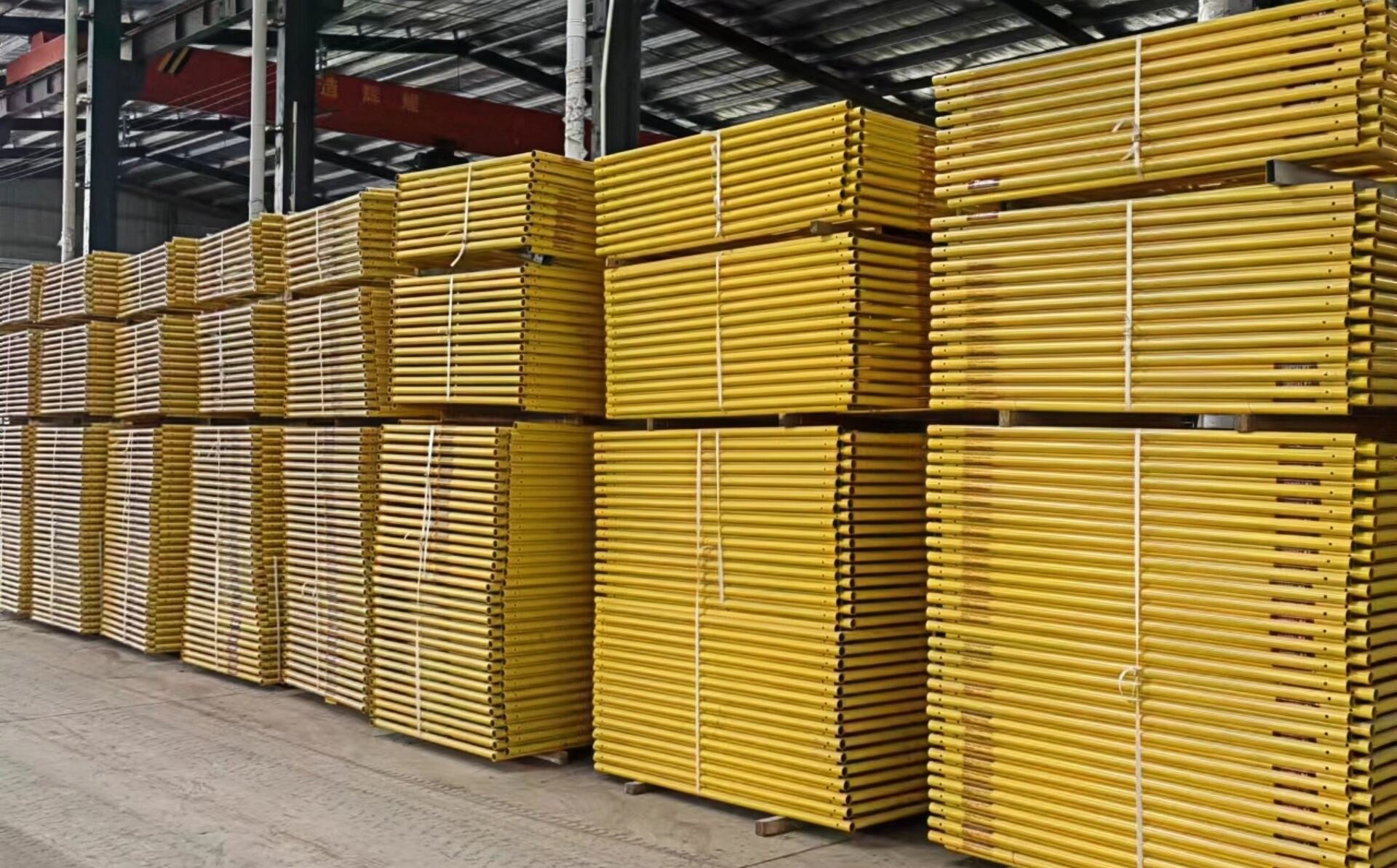
Quick and Efficient Installation of Acrow Props
Proper installation of Acrow props ensures both speed and structural integrity on construction sites. A 2023 survey by the Temporary Works Forum found projects using standardized setup protocols reduced prop-related delays by 41% while maintaining safety compliance.
Step-by-Step Guide to Erecting Acrow Props Safely and Quickly
- Clear the work area of debris and verify load-bearing surfaces are level
- Position base plates to distribute weight evenly across the ground
- Extend the telescopic tube to within 150 mm of the target height
- Secure the top plate using a spirit level to ensure perfect vertical alignment
- Apply final adjustments with the threaded pin mechanism for precise load contact
Securing Top and Bottom Plates for Stable Support
Base plates should cover at least 3x the prop’s diameter, while 8 mm steel top plates prevent localized crushing. For uneven surfaces, use adjustable screw jacks under the base plate to compensate for slopes up to 5°.
Optimal Spacing: How Many Acrow Props per Metre for Maximum Efficiency
| Load Range (kN/m²) | Prop Spacing (mm) | Plate Thickness (mm) |
|---|---|---|
| 10–20 | 900–1200 | 5–6 |
| 20–35 | 600–900 | 8–10 |
| 35–50 | 450–600 | 12+ |
Always cross-reference spacing decisions with the manufacturer’s load tables for your specific prop model.
Pro Tips for Faster Deployment and Improved On-Site Workflow
- Color-code props by load capacity using spray paint bands
- Pre-assemble units in staging areas during downtime
- Use laser levels to mark installation points across large floors
- Rotate crews every 90 minutes to maintain focus during repetitive tasks
The Temporary Works Forum’s 2023 Best Practices Guide emphasizes that crews who implement these methods consistently complete prop installations 27% faster than industry averages.
Adjustable Design and Sizing Options for Versatile Use
How the telescopic mechanism enables height adjustability in acrow props
Telescopic designs work by nesting steel tubes together with those handy pin locking systems, making it possible to adjust heights every 50 millimeters. The whole setup can handle ceilings anywhere between 1.8 meters all the way up to 4.3 meters without needing any extra parts thrown in. When contractors need to adjust things on site, they simply pull out the inner tube section and lock it in place using those spring loaded pins. What makes this particularly useful is how stable everything stays even when dealing with slightly uneven floors or walls. Most models come with base plates that allow for about plus or minus 15 degrees of adjustment, which helps compensate for minor irregularities in building structures.
Choosing the right acrow prop size based on project requirements
Three critical factors determine proper sizing:
- Clear Span: Match extended height to the gap between supporting surfaces (add 100–150mm for adjustment margin)
- Load Requirements: Standard models (1.8–3m) typically handle 20–35kN; heavy-duty variants (3–4.3m) manage 12–20kN
- Site Conditions: Opt for galvanized steel props in high-moisture environments and standard painted versions for dry interiors
Matching load-bearing needs with appropriate height and diameter
Tube diameter significantly affects load capacity—a 48mm outer tube supports 35% greater loads than a 42mm model at identical heights. For optimal performance:
- Use 1.8–2.4m props with 48mm diameter for concrete formwork (>25kN/m²)
- Deploy 3–4m props with 42mm tubes for temporary roofing support (<15kN/m²)
- Always consult manufacturer load tables, as capacity decreases 8–12% per additional 0.5m in extended height
This flexibility allows a single prop type to support applications ranging from 300mm concrete pours to timber beam installations in structural renovations.
Load Capacity and Structural Performance of Acrow Props
Understanding Acrow Prop Capacity: Key Data from Load Tables
Acrow props rely on standardized load tables to determine safe working capacities. For example, a 2m prop typically supports up to 20 kN under BS 4074 standards, though capacity drops by 30% at 3m due to increased buckling risk. These tables account for key variables:
| Prop Height | Maximum Load Capacity (kN) | Safety Factor |
|---|---|---|
| 1.5m | 25 | 3:1 |
| 2.0m | 20 | 2.5:1 |
| 3.0m | 14 | 2:1 |
Always verify compliance with regional construction codes before deployment.
Factors Influencing Load-Bearing Strength: Length, Material, Bracing
Performance is governed by three primary factors:
- Length: Capacity decreases exponentially with height—approximately 8% per additional 0.5m beyond 1.5m
- Material: Grade 43 steel props withstand 15% heavier loads than aluminum equivalents
- Bracing: Diagonal bracing improves stability by 40% in spans exceeding 2.5m
Avoiding Overestimation: Real-World Performance vs. Rated Capacity
Industry studies reveal a 23% gap between lab-tested ratings and field performance (Construction Safety Journal 2023). Common causes include uneven base surfaces (reducing capacity by 18–35%), lateral movement during concrete curing, and corrosion in coastal environments.
Selecting Acrow Props with Correct Height and Verified Load Ratings
Prioritize third-party certified props bearing EN 1065 or BS 4074 markings. For heavy formwork (>15 kN/m²), use 20kN props spaced at ±1.8m or paired props with cross-bracing for spans over 4m. Always confirm load ratings align with structural engineer calculations rather than relying solely on generic manufacturer charts.
Safety Best Practices and Risk Mitigation When Using Acrow Props
Inspecting Acrow Props for Damage Before Each Use
Thorough visual inspections prevent 72% of equipment-related incidents (Occupational Safety Journal 2023). Check for:
- Cracks or deformations in tubular steel sections
- Corrosion exceeding 10% of surface area
- Functional locking pins and adjustment sleeves
- Intact welding points at connection joints
Preparing Load-Bearing Surfaces to Prevent Shifting or Sinking
Distribute weight effectively using steel base plates sized to match prop diameter. For concrete floors:
- Clean debris from contact areas
- Use leveling wedges on uneven surfaces ±5°
- Apply bearing pads on fresh concrete pours
This preparation reduces sinking risks by 40% compared to direct placement (Construction Materials Study 2022).
Ensuring Proper Alignment and Base Stability Under Load
Maintain vertical alignment within 3° of plumb during installation. Monitor these stability factors:
- Baseplate contact: ≥90% surface engagement
- Connection tightness: 0.5mm maximum play
- Load duration: ±28 days continuous use
Addressing the Industry Paradox: High Failure Rates Despite High Ratings
Modern acrow props typically have load ratings between 20kN and 50kN, but real world testing indicates around 12 percent actually fail under their stated capacity. Why does this happen? Well, there are several issues. First, different quality materials often get mixed together in those telescoping parts. Then there's the problem of unexpected forces when removing formwork, something many engineers overlook completely. And let's not forget about Mother Nature herself - temperature changes and corrosion can cut steel strength anywhere from 9 to 15 percent over time. According to research published last year by structural engineers, it makes sense to only push these props to about 70 percent of what they're rated for when working on really important projects where safety is paramount.
FAQ
What are Acrow props used for?
Acrow props are adjustable steel supports used in construction to provide temporary support for overhead loads such as during formwork or structural repairs.
How do you determine the correct size of an Acrow prop?
The correct size of an Acrow prop is determined by the clear span, load requirements, and conditions at the construction site. Always consult manufacturer load tables for precise sizing.
How should Acrow props be positioned for optimal stability?
Ensure baseplates cover at least 3x the diameter of the prop, use leveling wedges on uneven surfaces, and maintain vertical alignment within 3° of plumb during installation.
What are common causes of Acrow prop failure?
Common causes include mixing materials of varying qualities, unexpected forces during formwork removal, and environmental factors like corrosion and temperature changes reducing steel strength.