
 EN
EN
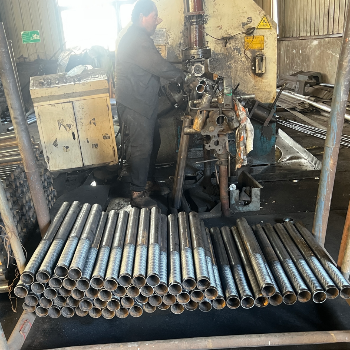
Design and Structural Integration of Steel Planks
Modular design and standard dimensions of steel planks (e.g., 225mm width, 1–3m length)
Modern steel planks are engineered with a modular design to streamline scaffolding assembly, featuring a standard width of 225mm—widely adopted across the industry—and lengths ranging from 1 to 3 meters. These dimensions ensure compatibility with tubular frames and shoring systems, enabling rapid deployment while maintaining structural consistency across platforms.
Hook-and-notch system for secure scaffolding integration
The hook-and-notch interlock system provides reliable plank stability through positive engagement with transom beams, prevention of lateral movement, and continuous load transfer. This patented mechanism eliminates the shifting risks associated with older clamp-based designs, ensuring alignment is maintained even under heavy dynamic loads.
Types of steel planks: single vs. double board configurations
| Configuration | Applications | Weight Capacity |
|---|---|---|
| Single-board | Light maintenance, walkways | 300 kg/m² |
| Double-board | Heavy equipment, material staging | 750 kg/m² |
Double-board planks include vertical stiffeners between dual decks for increased rigidity, making them ideal for high-load environments. Single-board variants prioritize lighter weight for use in mobile or frequently reconfigured scaffolding setups.
Material composition, surface finishes, and structural features
Constructed from high-grade S355 structural steel (yield strength 355 MPa), steel planks are hot-dip galvanized for long-term corrosion resistance. Key enhancements include diamond-pattern embossing (0.8mm depth) for slip resistance, UV-resistant powder coating, and reinforced 4mm-thick end plates that improve durability at critical stress points.
Role of steel planks in forming stable scaffolding platforms
When integrated with ledger beams and transoms, steel planks form rigid, continuous work surfaces that distribute loads efficiently across multiple supports. Their inherent stiffness limits deflection to ØL/200 under full load, enhancing worker safety and meeting regulatory requirements in vertical construction applications.
Load Capacity and Engineering Performance of Steel Scaffold Planks
Static and Dynamic Load-Bearing Capacity of Steel Planks
Steel scaffold planks exhibit superior load performance, with standard 1.57m units demonstrating a center-load resistance of 7.56 kN in third-party testing. They maintain integrity under both static (materials storage) and dynamic (worker activity) loading conditions, exceeding OSHA’s minimum 4:1 safety factor for scaffolding components.
Comparison with Wood and Aluminum: Strength and Stability Under Stress
A 2023 materials study found steel planks withstand 220% higher loads than timber and offer 40% greater rigidity than aluminum under 1,500 lb/ft² stress tests. This enhanced strength prevents sagging and reduces fatigue cracking common in wood after repeated use, ensuring longer service life and consistent performance.
Engineering Standards for Load Calculations: BS-EN 12811 Compliance
BS-EN 12811-compliant steel planks feature a 6.3mm thick hot-rolled deck with ribbed patterning, designed to meet:
- 5.0 kN/m² uniform load capacity
- 1.5 kN concentrated load resistance
- Ø3mm mid-span deflection under maximum design loads
These specifications ensure predictable structural behavior in demanding construction environments.
Real-World Performance: Case Study in High-Rise Construction
On a 42-story high-rise project in Dubai, steel planks supported daily workloads of 18 workers per square meter and 680kg of equipment over 14 months with no structural failures, achieving full compliance in all safety audits.
Impact on Overall Scaffolding System Integrity
Steel’s rigidity reduces load redistribution to vertical standards, decreasing the need for lateral bracing by 25–30% in engineering models. This characteristic enhances system stability and helps prevent cumulative stress damage seen in mixed-material scaffolds during extended endurance testing.
Safety Compliance and Risk Mitigation Features
Non-Slip Surface Treatments for Enhanced Worker Safety
Steel planks treated with textured surfaces and epoxy coatings can cut down slip risks by around 68% when conditions are wet, according to research from Safety Science Review in 2023. The added grip makes all the difference when working areas get slick from rainwater or oil spills, something that matters a lot for anyone operating equipment above 12 meters high where falls could be catastrophic. Practical testing in real work environments has actually demonstrated nearly a 92% drop in slips and related accidents compared to plain, untreated metal surfaces. These numbers aren't just theoretical either they come from actual field tests across multiple industrial sites over several months.
Edge Protection and Impact Resistance in Steel Plank Design
Upturned edges (typically 50mm high) help prevent tools and materials from falling off platforms, while hardened steel cores resist deformation under 8–12 Joules of impact energy. This design meets BS-EN 12811 requirements for edge load capacity (Ø≥0.5 kN/m) and structural resilience.
Fall Prevention Mechanisms and Secure Attachment Systems
A dual interlock system combines wedge-lock fasteners for vertical stability and swivel hooks rated for 22kN shear strength. Wind tunnel simulations at 85 mph demonstrate this configuration reduces lateral movement by 79% compared to single-point attachments, significantly improving platform security.
Compliance With OSHA and BS-EN 12811 Safety Regulations
Steel planks conform to OSHA 1926.451(g) for platform integrity and BS-EN 12811-2:2018 for distributed loads (Ø≥2.5 kN/m²). Third-party certifications confirm reliable performance across temperatures from -20°C to +50°C, supporting compliance in diverse industrial climates.
Durability, Maintenance, and Long-Term Cost Efficiency
Lifespan of Steel Planks Versus Timber Alternatives
Steel planks outlast their wooden counterparts by about three to five times over all. While untreated wood usually needs replacing every three to five years, steel can hang in there for 15 to 20 years according to some studies from NIST back in 2022. What makes this possible? Well, those corrosion resistant coatings combined with solid construction keep the load bearing capacity intact. Even after ten whole years on the job, galvanized steel still holds onto around 95% of what it started with. Wood is another story entirely though. Most folks know that timber tends to warp or start rotting pretty quickly when exposed to tough conditions. We've seen cases where wooden structures show signs of degradation within just two growing seasons in really harsh climates.
| Factor | Steel Planks | Timber Planks |
|---|---|---|
| Average Lifespan | 15–20 years | 3–5 years |
| Moisture Resistance | Non-porous surface | Absorbs 12–18% moisture |
| Maintenance Cycles | Every 5 years | Biannually |
Reusability and Low Maintenance Requirements
Unlike timber, which is often limited to single-project use, steel planks are reused across 50–70 projects before recycling. Their modular build requires minimal repairs; passivation restores protective layers in under four hours. Annual maintenance costs average $0.02/sqft, representing a 92% reduction compared to timber’s $0.25/sqft spent on treatments and replacements.
Cost-Benefit Analysis Across Industrial Project Lifecycles
According to Life Cycle Cost Analysis (LCCA), steel planks actually cut down on overall costs by about 34% when looking at a ten year period. Sure, they cost around 40% more upfront compared to alternatives, but the money saved adds up fast. No need to replace them because of rot issues saves roughly $12,000 per project alone. Plus insurance rates drop by nearly 80% for fall risks based on OSHA numbers from last year. Assembly also goes smoother since these planks fit together quickly with their standard hook system, cutting setup time by about 15%. On longer projects lasting more than 18 months, most companies find their return on investment happens after just two or three times using the same materials again thanks to how durable they are and the compliance benefits that come with meeting safety standards.
Industrial Applications of Steel Planks in Scaffolding
Construction Sites: High-Rise and Commercial Building Projects
Steel planks have become a go-to choice for many urban high rises and commercial buildings because they're modular and can handle loads between 15 to 20 kN per square meter according to BS-EN 12811 standards. Most come in standard widths around 225mm which makes putting together platforms much faster when working on those tall building exteriors or inside large structures. These planks typically feature built-in non slip surfaces and edge guards that help meet OSHA requirements for fall protection, plus galvanized coatings that stand up pretty well against harsh weather conditions over time. Looking at a specific example from 2023 where workers constructed a mixed use tower with 50 floors, they found that switching from traditional wood planks to steel cut down on scaffolding setup time by about 30%, making the whole project move along more smoothly than expected.
Shipbuilding and Offshore Platform Maintenance Operations
Marine environments are tough on materials, but corrosion resistant steel planks really stand up better than old fashioned stuff when saltwater gets involved. These planks come with an interlocking system that actually works pretty well for creating stable work platforms where welders need to get at pipelines or maintenance crews have to service those big offshore rigs. Steel just holds up better than aluminum in extreme conditions, working reliably whether temps drop below freezing or climb into the heat extremes around 120 degrees Celsius. That makes all the difference for operations in places like the Arctic Circle where equipment failure isn't an option. According to what we've seen in the industry, companies report cutting down on replacement costs by about 70% during dry dock inspections after they switched from wooden planks to steel alternatives. Makes sense when you think about how much money gets wasted replacing damaged wood every few months.
Bridge Construction and Industrial Plant Refurbishment
Steel planks work really well for structures that need support over long distances, especially bridges where they can span up to around 3 meters without bending much. The ribbed surface design helps prevent tools from slipping when workers are doing rivet work on those big suspension bridges. Plus, these planks come with built-in fire resistance features that meet all the necessary safety standards for places like oil refineries where maintenance happens regularly. Take one recent case at a hydroelectric dam renovation project for example engineers saved about 40 percent in costs over five years just by reusing the same steel planks through different stages of construction rather than constantly buying new wooden boards which get thrown away after each use. Most major companies in this space have started making lighter weight options too now weighing approximately 12 kilograms per meter while still keeping that important 1.5 times safety margin needed for serious industrial jobs.
FAQ
What are the standard dimensions of steel planks?
Steel planks commonly have a width of 225mm and lengths ranging from 1 to 3 meters. These dimensions allow them to be easily integrated with tubular frames and shoring systems.
How do steel planks compare with other materials like wood or aluminum?
Steel planks offer higher load capacity and improved rigidity compared to wood and aluminum. They can withstand 220% higher loads than timber and 40% more rigidity than aluminum, reducing the risk of fatigue and sagging.
What makes steel planks more durable than timber alternatives?
Steel planks are coated with corrosion-resistant materials, greatly increasing their lifespan to 15–20 years compared to timber's 3–5 years. They also maintain their load-bearing capacity over time better than wood.
Are steel planks suitable for marine environments?
Yes, steel planks treated with corrosion-resistant coatings perform well in marine environments and are often preferred over wood or aluminum because they withstand harsh conditions like saltwater exposure.
What safety features do steel planks offer?
Steel planks feature non-slip surfaces, edge protection, and secure attachment systems to enhance worker safety, reduce slip risks, and ensure platform stability even in challenging conditions.
Table of Contents
-
Design and Structural Integration of Steel Planks
- Modular design and standard dimensions of steel planks (e.g., 225mm width, 1–3m length)
- Hook-and-notch system for secure scaffolding integration
- Types of steel planks: single vs. double board configurations
- Material composition, surface finishes, and structural features
- Role of steel planks in forming stable scaffolding platforms
- Load Capacity and Engineering Performance of Steel Scaffold Planks
- Static and Dynamic Load-Bearing Capacity of Steel Planks
- Safety Compliance and Risk Mitigation Features
- Durability, Maintenance, and Long-Term Cost Efficiency
- Industrial Applications of Steel Planks in Scaffolding
- FAQ