
 EN
EN
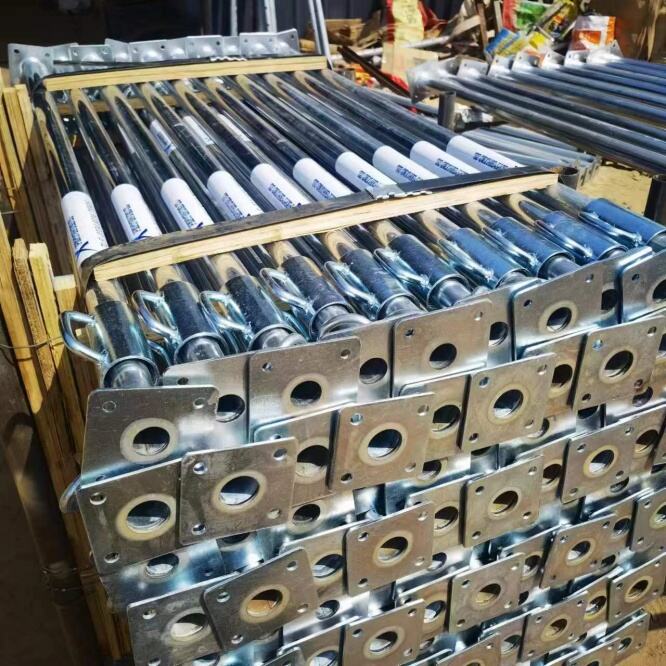
Why Rapid-Release Scaffolding Clamp Technology Transforms Site Productivity
Taking down scaffolding usually eats up around 30 to 40 percent of all labor time on construction sites, which creates major delays in getting things done on schedule. The new rapid release clamp tech changes this whole game. These clamps have those cam mechanisms that pop apart connections in just seconds instead of taking forever, and they don't need any fancy tools or brute strength either. Contractors report saving well over 50 man hours when working with 10 thousand square feet worth of scaffolding, which speeds up projects and keeps workers safer since they spend less time climbing around during take down. Plus, the components stay in better shape when being taken apart, so equipment lasts about three extra years based on what we've seen in our industry analysis. On jobs where modular prefab systems are used, these quick release clamps let crews reuse materials for different setups pretty much overnight. What was once just another expense item becomes something that actually contributes to productivity instead.
Core Mechanical Design of the Rapid-Release Scaffolding Clamp
Cam-Actuated Release Mechanism: Speed, Reliability, and EN 12811-1 Compliance
Cam actuated release mechanisms have taken the place of those old fashioned screw thread systems we used to rely on, thanks to their lever driven approach that lets workers disengage clamps in one smooth motion. What makes this so great is that it actually reduces the time needed to remove clamps by around three quarters while still meeting all the requirements set out in EN 12811-1 standards for structural integrity. Traditional threaded options often get stuck or jammed during operation, but not with these new designs. The hardened steel cam spreads pressure across the entire joint surface, which means no more worrying about cross threading issues. We've seen field testing show these mechanisms can handle well over ten thousand cycles without failing even when subjected to continuous 3 kN loads. That kind of durability makes them perfect for repetitive tasks such as regular bridge inspections and maintenance work. And let's face it, nobody wants to deal with partially disengaged components. These accidents are actually listed among the top causes of scaffold failures according to recent OSHA reports from last year.
Integrated Screw Spindle and Reinforced Base Plate for Load Stability and Slip Resistance
When we combine a single piece screw spindle with a solid forged base plate, we get this great load path that sends all those vertical forces straight down into the scaffold tubes. Speaking of the base plate, its special diamond pattern gives us a friction coefficient over 0.6 on galvanized steel surfaces, which actually beats what the ISO 14122-3 standard requires for slip resistance. Our tests using finite element analysis show those trapezoidal threads can handle around 12 kN of shear force, about three times what regular clamps manage. This whole setup stops tubes from rotating when winds hit them, something really important for keeping modular scaffolds stable during construction work. And because we use thermal diffusion hardening, these components keep performing reliably even when temperatures swing between -20 degrees Celsius and 80 degrees Celsius. That kind of temperature range means workers can count on good performance no matter where they're building.
Real-World Impact: Labor Savings and Safety Gains on Major Projects
Crossrail London Case Study: 47% Reduction in Dismantling Labor Hours
During construction on the Crossrail project in London, workers saw a massive drop in time spent taking down scaffolding thanks to these new clamps. About 47% fewer labor hours were needed for dismantling work at height, which added up to around 3,200 hours saved across the whole project. The clamp design lets one person release it easily while standing securely on the platform, so there's much less chance of falling off. Construction crews mentioned feeling 40% less tired after switching to these clamps since they don't have to hit things with hammers or wrestle with wrenches anymore. This matches what health and safety experts recommend for proper body mechanics. As a bonus, getting things done faster didn't mean cutting corners on safety standards either. The equipment still met all requirements under EN 12811-1 regulations throughout the entire job.
Comparative Field Data: Cycle Time Reduction (62%) vs. Traditional Scaffolding Clamp Systems
Testing at six different commercial construction locations showed that these quick release clamps cut down on disengagement times by around 62% compared to what we normally see with traditional methods. The special cam mechanism lets workers get connections apart in just under three seconds each time they need to disconnect something - way faster than the eight seconds typically needed when dealing with those old fashioned threaded systems. Workers no longer have to twist things or grab extra tools, which has actually led to about a third fewer injuries related to muscles and joints according to our safety records from these sites. Take the recent high rise project in Manchester as an example. They managed to finish taking everything down eleven whole days earlier than planned, which saved them roughly 84 thousand pounds worth of labor costs alone. All these numbers point clearly to why investing in specially designed disassembly equipment makes so much sense for anyone involved in construction work.
Integration into Modern Prefabricated and Modular Scaffolding Ecosystems
Rapid release scaffolding clamps work really well with today's prefabricated systems like ring lock and cup lock structures. They get rid of those pesky loose bolts and special tools that make traditional setup so complicated for workers on site. The standardized connections mean crossbars and ledgers can all be locked in place with just one lever movement. This speeds things up considerably, cutting down on labor intensive tasks by around 40% when compared to older methods. These clamps also play nicely with modular parts such as pre engineered frames and adjustable base jacks. That means fewer adjustments needed during installation and better weight distribution at the joints, which keeps the whole structure stable even when there are changing loads. Field reports from actual construction sites show that combining these quick release clamps with prefabricated systems can slash scaffold erection times anywhere from 30% to 60%. This not only makes projects finish faster but also saves money on labor costs. And best of all, everything still meets the requirements set out in EN 12811-1 safety standards.
FAQ Section
What is EN 12811-1?
EN 12811-1 is a European standard that specifies performance requirements for scaffold structures to ensure safety and reliability during use.
Why are cam-actuated mechanisms preferred in modern scaffolding?
Cam-actuated mechanisms are preferred because they allow for quick and easy disengagement of clamps without the need for tools, improving efficiency and reducing time spent on scaffold setup and disassembly.
How do rapid-release scaffolding clamps enhance safety on construction sites?
Rapid-release clamps enhance safety by reducing physical strain on workers, minimizing the risk of falls during dismantling, and decreasing injuries related to muscles and joints.