
 EN
EN
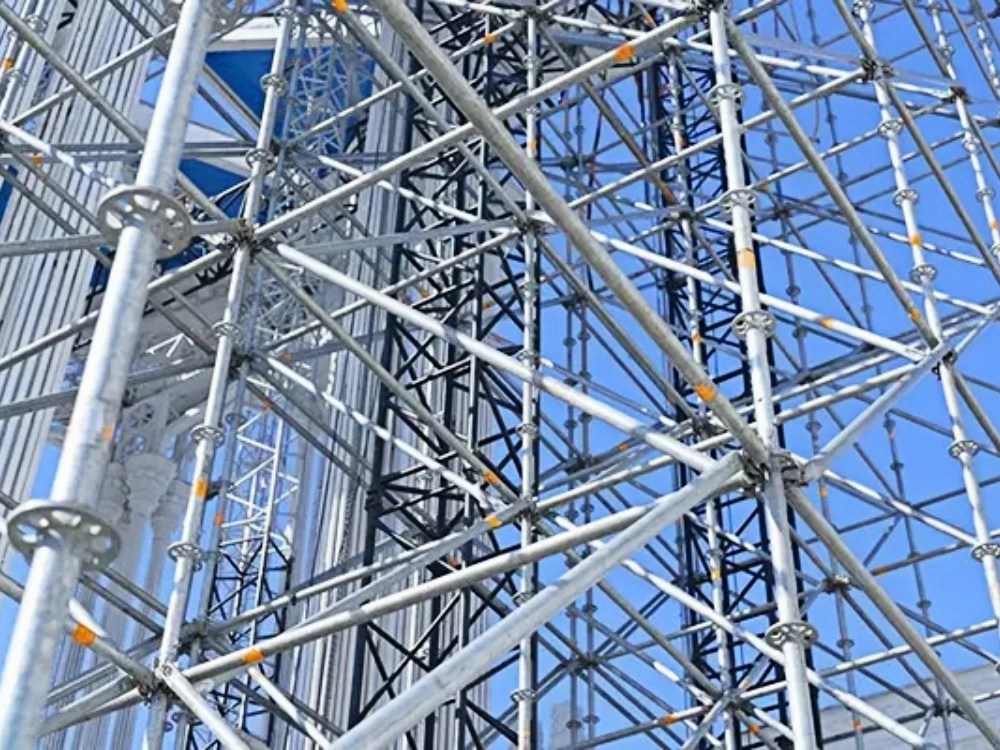
How Hot-Dip Galvanization Makes Cuplock Scaffold Weatherproof
The Science Behind Zinc Coating: Barrier and Cathodic Protection
The hot dip galvanization process offers protection for Cuplock scaffold steel using two main approaches. The first involves creating a thick zinc coating that acts as a shield against moisture, oxygen, and various airborne contaminants that would otherwise reach the steel underneath. Then there's what happens chemically when zinc comes into play. Since zinc reacts more readily than steel does, it tends to corrode first at any damaged spots or cut edges on the metal surface. Basically, the zinc sacrifices itself so the structural integrity stays intact. These protective features are actually covered under industry standards like ASTM A123 and A153, which explains why Cuplock systems can last many years even after being exposed constantly to rain, high humidity levels, and harsh industrial conditions. Most coatings measure between 80 to 120 micrometers thick, providing solid protection overall. However, places near coastlines where salt spray is a constant problem often require thicker coatings to maximize how long these structures remain functional without needing repairs.
Galvanized vs. Painted vs. Uncoated Cuplock Scaffold: Real-World Lifespan Comparison
Field performance data highlights clear durability advantages for hot-dip galvanized Cuplock systems:
| Coating Type | Avg. Lifespan | Maintenance Frequency | Salt-Spray Performance |
|---|---|---|---|
| Hot-Dip Galvanized | 10–15 years | Minimal | Excellent |
| Painted | 3–5 years | Annual repainting | Moderate |
| Uncoated | 1–2 years | Continuous monitoring | Poor |
Components that have been galvanized can last through over 500 reuse cycles without losing their strength, while painted systems need regular recoating whenever there are chips or scratches that reveal the bare metal underneath. Scaffolding without any coating tends to start showing rust spots within just a few months when exposed to moisture and humidity. Looking at the big picture, studies on product lifecycles show something interesting too. Even though galvanized materials might cost a bit more upfront, they actually cut down on overall expenses by around 70% throughout their lifetime. That makes sense economically speaking, especially for construction projects that need to perform reliably no matter what season it is or how harsh the weather gets.
Cuplock Scaffold Performance in Extreme Environments
Marine & Offshore Applications: Salt-Spray Resistance and Case Evidence
The hot dip galvanization on Cuplock Scaffold stands up really well in those tough marine environments where salt levels can get above 200 milligrams per cubic meter. What makes it so durable is this two part defense system against rust. First there's the actual metal layer acting as a shield, then comes the sacrificial protection that kicks in when the first layer starts to wear down. We've seen these scaffolds last about three times longer than regular painted ones in places like offshore oil platforms and shipyards. Even after years of sitting in brackish water and getting hit by waves at high tide, the structural integrity stays intact. This matters a lot for safety reasons and meeting all the necessary regulations. Those adjustable base plates are pretty handy too. They help level things out on docks that aren't perfectly flat and compensate for slight ground movement caused by changing tides, keeping the whole setup stable without needing constant adjustments or repairs.
Cold, Wet, and Flood-Prone Sites: Stability Solutions with Adjustable Base Plates and Diagonal Bracing
Cuplock Scaffold works well in areas that get flooded regularly, experience cold weather, or face heavy monsoons throughout the year. The adjustable base plates can handle ground settlement issues or frost heave problems of around 300 mm which matters a lot when dealing with frozen ground or soil that's soaked from rain. This helps keep workers safe on flat surfaces even when the ground beneath isn't stable. When it comes to wind resistance, diagonal bracing setups cut down sideways movement by about 40% against winds blowing at speeds up to 100 km/h. These specs meet the EN 12811-1 safety standards for scaffolding structures. For construction sites in Southeast Asia where monsoons dump over 500 mm of rain each season, this kind of setup means work can continue without major interruptions. Another plus point is the galvanized surface treatment that doesn't absorb water. This stops ice from sticking to the scaffold frame even when temperatures drop below freezing point (-30°C). Regular paint jobs or untreated metal would just accumulate ice weight and eventually crack under stress something that happens all too often on cheaper alternatives.
Structural Integrity of Cuplock Scaffold Across Temperature Extremes
S355/S460 Steel Grades: Maintaining Load Capacity from –20°C to +50°C
Cuplock Scaffold systems are constructed using strong S355 and S460 grade structural steel that can handle substantial loads right up to 20 kN at each standard joint connection point. These particular steel alloys stand up well against problems that occur when temperatures drop below freezing while also reducing issues related to expansion changes as temperatures rise. Workers have seen these materials perform reliably whether they're setting up scaffolding on cold Arctic oil platforms or hot desert construction sites where temperatures fluctuate dramatically throughout the day. Testing done in actual field conditions has shown that scaffold structures made with these materials maintain their shape pretty consistently too, with only about 1.5% variation in how much they bend under different weather conditions during concrete pouring operations, windy days, or sudden temperature swings. The manufacturing process includes thorough checks for quality assurance including special ultrasonic tests on welds and detailed records tracking each batch of material used. All these practices meet important international standards like ISO 9001 and EN 1090-2 requirements for fabrication quality. When put through independent stress tests over time, these scaffolds actually cost around 30% less to maintain in the long run compared to similar structures made from lesser quality steel options available on the market today.
FAQ
What is hot-dip galvanization and how does it protect Cuplock scaffolds?
Hot-dip galvanization is a process that involves coating steel with a thick layer of zinc. This layer acts as a barrier against moisture and corrosion while also providing cathodic protection by sacrificing itself to protect the underlying steel from rusting.
How long does galvanized Cuplock scaffolding typically last?
Galvanized Cuplock scaffolding typically lasts between 10 to 15 years with minimal maintenance, due to its superior protection against weathering and corrosion.
Why are galvanized Cuplock scaffolds preferred over painted or uncoated ones?
Galvanized Cuplock scaffolds last longer, require less maintenance, and perform better in harsh conditions compared to painted or uncoated scaffolds. While they might cost more initially, they reduce overall expenses by approximately 70% over their lifespan.
What challenges can Cuplock scaffolding handle in extreme environments?
Cuplock scaffolding performs well in extreme environments such as marine, flood-prone, and cold areas due to its corrosion resistance, adjustable base plates for stability on uneven or shifting ground, and diagonal bracing for wind resistance.
Are there specific steel grades used in Cuplock scaffolds for extreme temperatures?
Yes, Cuplock scaffolds use S355 and S460 steel grades capable of maintaining load capacity over a temperature range from –20°C to +50°C, ensuring reliability in both cold and hot environments.
Table of Contents
- How Hot-Dip Galvanization Makes Cuplock Scaffold Weatherproof
- Cuplock Scaffold Performance in Extreme Environments
- Structural Integrity of Cuplock Scaffold Across Temperature Extremes
-
FAQ
- What is hot-dip galvanization and how does it protect Cuplock scaffolds?
- How long does galvanized Cuplock scaffolding typically last?
- Why are galvanized Cuplock scaffolds preferred over painted or uncoated ones?
- What challenges can Cuplock scaffolding handle in extreme environments?
- Are there specific steel grades used in Cuplock scaffolds for extreme temperatures?