
 EN
EN
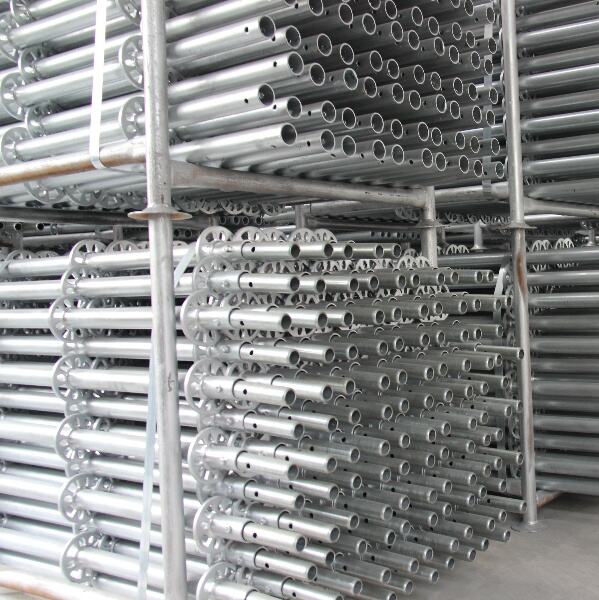
Structural Design and Load Capacity of Ladder Beams
Beam Geometry and Stringer Configuration: Matching Type IAA (375 lb) and Type IA (300 lb) Ratings to Industrial Needs
Getting the geometry right is absolutely critical when it comes to industrial ladder beams if they need to pass OSHA's load requirements. For the heavy duty stuff, Type IAA ladders rated at 375 pounds usually come with reinforced 14 gauge steel stringers and rungs spaced no more than 12 inches apart. On the other hand, Type IA models handling 300 pounds typically use lighter 16 gauge steel with wider spacing up to 18 inches between rungs. This makes sense from a materials standpoint especially for things like overhead service platforms where consistent support for over 300 pounds of moving weight matters day in and day out. What many people don't realize is how important the angle between those stringers and rungs really is. Most manufacturers aim for somewhere between 75 and 90 degrees, which helps keep the whole structure from twisting or bending when subjected to off balance loads common in busy warehouses with constant foot traffic.
Finite Element Analysis: How Beam Depth, Flange Width, and Web Stiffening Reduce Deflection Under 500-lb Loads
Modern ladder beams leverage computational modeling to exceed rated capacities. FEA simulations for 500-lb test loads show that targeted geometry enhancements significantly improve performance:
| Design Parameter | Performance Impact |
|---|---|
| Beam Depth – 20% | Reduces deflection by 32% |
| Flange Width – 15% | Increases buckling resistance 40% |
| Web Stiffeners | Lowers stress concentration 55% |
These refinements enable industrial-grade beams to maintain deflection limits—even under extreme or seismic loading—supporting nuclear facility requirements where structural integrity is non-negotiable.
Beyond Load Ratings: The Critical Role of Upright-Rung Interface in System Safety
While load ratings dominate specifications, structural safety audits identify the upright-rung junction as the origin of 68% of ladder failures. Three interface safeguards prevent catastrophic detachment:
- Continuous Welds: Eliminate localized stress points common with intermittent welds
- Gusset Plates: Distribute shear forces across connection nodes
- Non-Slip Coatings: Maintain a friction coefficient >0.45 even when contaminated
These measures counteract the 18% deflection amplification observed at joints under vibration—a key driver behind updated joint-performance requirements in ANSI A14.3-2023 for petrochemical access systems.
Material Selection for Industrial Ladder Beams: Steel, Aluminum, and Hybrid Options
Galvanized Steel Ladder Beams: High Yield Strength (>36 ksi) and OSHA-Compliant Durability in Corrosive Environments
Galvanized steel still stands as the gold standard when it comes to industrial ladder beams, especially where things like structural strength and protection against corrosion simply cannot be compromised. These beams typically have yield strengths over 36 ksi, which means they can handle pretty heavy concentrated loads well above 500 pounds without bending out of shape, all while satisfying those important OSHA 1910.27 requirements regarding how much they can bend and how they need to be anchored. The hot dip galvanization process creates this tough zinc coating that really holds up against rust even in tough environments like chemical processing plants, coastal installations, and sewage treatment centers. We're talking about equipment that lasts more than two decades before needing serious attention. And let's not forget something important here: regular steel just doesn't cut it in salty air or humid conditions. Galvanized beams keep their strength intact despite harsh weather conditions. Maintenance reports from 2024 actually show that facilities using galvanized beams replace them about 40% less often than those relying on other materials.
6061-T6 Aluminum Beams: Lightweight Performance vs. Thermal Expansion and Long-Term Creep Risks
The 6061-T6 aluminum alloy ladder beams weigh about 65 percent less than similar steel beams, which makes them great choices for rooftop access systems and temporary scaffolding when it comes to moving things around easily. But there are some real downsides engineers need to consider. First off, these aluminum beams expand when heated at roughly double the rate of steel, so they tend to change dimensions quite a bit as temperatures go up and down. And second, over time, they can develop what's called creep if kept under constant load for extended periods. For any permanent setup, it's wise to keep the continuous load below 60% of the material's yield strength and leave room for expansion between components. Some recent computer modeling shows tiny fractures starting to form at stress points after just 5 to 7 years when these beams run hot all day at around 120 degrees Fahrenheit. That's why regular checks become so important in places where heat is a factor.
OSHA and ANSI Compliance for Heavy-Duty Ladder Beam Safety
Meeting OSHA 1910.27 and ANSI A14.3: Guard Door Interlocks, Fall Protection Anchors, and Load Rating Labels
For industrial ladder beams, following OSHA 1910.27 standards along with ANSI A14.3 requirements isn't just good practice but necessary to keep workers safe and stay within regulations. The guard doors come equipped with interlocks that stop people from getting in unless they've properly engaged their fall protection gear first. When it comes to fall protection anchors, they need to handle at least 5,000 pounds of force so they can actually stop someone mid-fall. Those load rating labels are there for a reason too—they clearly show what weight limit each beam can take, right where anyone working nearby can see them, which helps avoid accidents caused by overloading. Companies that skip out on implementing or regularly checking these three safety features typically end up paying around $15,600 per violation according to OSHA fines from 2023. Regular checks should happen anyway to make sure those interlocks still work correctly, the anchors haven't weakened over time, and those labels remain readable. Statistics from BLS indicate non-compliant systems lead to about 34% more fall incidents across various industries. So sticking to these basic safety measures protects not only against costly legal issues but also saves lives on the factory floor.
FAQ
What are the key differences between Type IAA and Type IA ladder beams?
Type IAA ladder beams are rated for 375 pounds and feature 14 gauge steel stringers while Type IA beams handle up to 300 pounds with 16 gauge steel.
Why is galvanized steel preferred for industrial ladder beams?
Galvanized steel offers high yield strength and corrosion resistance, making it ideal for harsh environments where durability is crucial.
What are the risks associated with using 6061-T6 aluminum beams?
These aluminum beams risk thermal expansion and long-term creep which can affect structural integrity over time if not properly monitored.
How do OSHA and ANSI standards improve ladder beam safety?
OSHA and ANSI standards involve guards, interlocks, anchors, and labeling to ensure worker safety and regulatory compliance.
Table of Contents
-
Structural Design and Load Capacity of Ladder Beams
- Beam Geometry and Stringer Configuration: Matching Type IAA (375 lb) and Type IA (300 lb) Ratings to Industrial Needs
- Finite Element Analysis: How Beam Depth, Flange Width, and Web Stiffening Reduce Deflection Under 500-lb Loads
- Beyond Load Ratings: The Critical Role of Upright-Rung Interface in System Safety
- Material Selection for Industrial Ladder Beams: Steel, Aluminum, and Hybrid Options
- OSHA and ANSI Compliance for Heavy-Duty Ladder Beam Safety
- FAQ