
 EN
EN
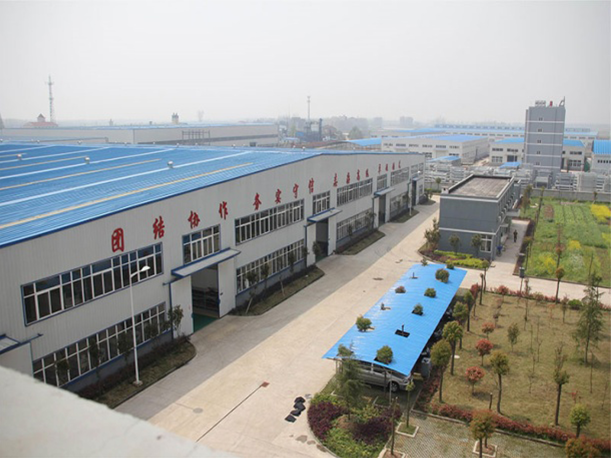
Why Structural Grade Galvanized Steel Board Excels in Heavy-Load Applications
Core Advantages: Corrosion Resistance, Load-Bearing Strength, and Long-Term Reliability
Galvanized steel boards of structural grade offer excellent protection against corrosion thanks to their hot dip zinc coating which creates a strong bond with the metal surface. This bonding helps prevent rust even in tough conditions found at industrial sites or along coastal bridges where salt air attacks materials. When it comes to supporting heavy loads, these boards maintain their shape well enough for crane rail applications that need to handle weights above 20 tons. The material also boasts impressive tensile strength around 550 MPa for certain grades like S550GD+Z, making them suitable for structures requiring flexibility without failure, such as those used in earthquake resistant building frameworks. Real world testing shows these coated steels typically last between 50 to 75 years when installed in rural areas, though this drops to about 20 to 50 years near factories or chemical plants. Still, compared to regular steel without any protective layer, galvanized options cut down on maintenance expenses by roughly 40 percent throughout their entire lifespan, according to field observations from various construction projects.
Key Standards Comparison: ASTM A653 (SS340, G90) vs. EN 10346 (S550GD+Z)
The ASTM A653 SS340 steel with G90 zinc coating focuses on good formability and decent strength levels around 340 MPa yield strength. This makes it particularly suitable for fabrication work where bending and shaping are required, such as building conveyor frame systems. On the other hand, EN 10346's S550GD+Z has been designed specifically for heavy duty applications. With a minimum yield strength of 550 MPa, this grade handles intense loads better than most alternatives. We see it used extensively in demanding environments like multi story warehouse mezzanine structures and even offshore crane runway supports. Tests conducted independently have demonstrated that S550GD+Z can handle about 30 percent more repeated loading before showing signs of permanent deformation. While the micro alloy content does mean welders need to follow special procedures, manufacturers using either standard can rest assured their zinc coatings will stick well beyond 5,200 psi according to ASTM D3359 testing standards. This ensures that whatever structural integrity these materials provide is matched by solid corrosion resistance over time.
Implementation Notes:
- Lifespan statistics derived from industry corrosion studies (2023)
- Mechanical comparisons based on certified mill test reports
Corrosion Protection Meets Structural Integrity: Coating and Substrate Synergy
Hot-Dip Galvanizing (ASTM A653 G90): Thickness, Adhesion, and Real-World Service Life in Bridges and Platforms
According to the ASTM A653 G90 standard, there needs to be at least 0.90 oz per square foot (or around 275 grams per square meter) of zinc coating applied. This creates a strong bond that acts as protection from both moisture and chemicals getting through. Field tests on highway bridges have shown these coatings can last well over 75 years in areas with average conditions. Even after many years of going through temperature changes and physical stresses, they don't tend to peel off easily. The adhesive properties are pretty impressive too, holding up at over 3,600 pounds per square inch which means the coating stays intact when subjected to impacts that happen frequently in places like platforms and railway systems. Research from NACE International backs this up showing that structures treated with galvanization need about half the maintenance compared to those painted instead. Over a period of thirty years, this translates into significant savings across the entire lifespan of the structure.
Substrate Selection Impact: Carbon-Manganese vs. Microalloyed (Nb/V/Ti) Steels for Galvanizing Reactivity and Strength
Substrate composition directly governs both galvanizing quality and mechanical capability:
| Substrate Type | Galvanizing Reactivity | Yield Strength Range | Key Applications |
|---|---|---|---|
| Carbon-Manganese | Moderate | 340–450 MPa | Warehouse platforms |
| Microalloyed (Nb/V) | Controlled | 550–700 MPa | Offshore crane runways |
When manufacturers add small amounts of niobium or vanadium to steel, they get something special happening during hot rolling processes. The result is much finer grain structures which means these microalloyed steels can reach impressive yield strengths around 550 MPa and beyond. Plus, the way the zinc and iron alloys form together gets optimized too. What makes these materials stand out is how they control their chemical reactions. This prevents those nasty brittle phases from forming between metals that would otherwise ruin coatings when subjected to heavy loads over time. On the flip side, regular carbon-manganese steels with lots of silicon tend to react too strongly. This creates thick alloy layers that are prone to cracking problems down the road. That's why engineers working on buildings in earthquake-prone areas or constructing bridges that need both strength and protection against rust always go back to specifying microalloyed steel bases for their galvanized boards. These materials just perform better where it really matters.
Mechanical Performance Under Heavy and Dynamic Loading Conditions
Yield & Tensile Strength Benchmarks: SS340 vs. S550GD+Z in Crane Rails and Framing Systems
When talking about mechanical reliability, we really need to look at those measurable strength numbers. The ASTM SS340 gives around 340 MPa yield strength which works fine for basic framing jobs, but the EN S550GD+Z goes way beyond that with over 550 MPa. This makes all the difference when dealing with heavy duty stuff like crane runways where the load can hit 50 kN per square meter and sometimes even more. The jump in strength means engineers can actually cut down on material thickness by about 25% while still keeping things safe enough. We've seen this play out in practice too. At several port logistics sites, tests showed that S550GD+Z deforms roughly 18% less than SS340 when subjected to the same kind of moving loads. That kind of performance gap is why so many professionals prefer it for applications where there's just no room for compromise.
Ductility and Cyclic Load Resilience: Field Evidence from Industrial Roofing and Mezzanine Structures
The ability of metal to stretch before breaking, known as ductility and measured through elongation rates, plays a major role in how well it resists fatigue when exposed to repeated stress cycles. Standard structural steel SS340 typically shows around 20 to 23 percent elongation, which works fine for buildings and other stationary structures. But when looking at materials for areas where things vibrate constantly, S550GD+Z offers something different. This steel grade manages about 12 to 15 percent elongation while delivering much better toughness characteristics. Real world testing has shown remarkable results too. In automotive manufacturing plants where mezzanine floors endure thousands of forklift movements every single day, installations made with S550GD+Z have remained crack free for five full years. That kind of performance triples what we normally see with traditional steel options. Why does this happen? The secret lies in special microalloy additions that help spread out the stress across the entire material surface instead of letting it concentrate in weak spots, which is exactly what causes failures in regular carbon manganese steels over time.
FAQ
What makes galvanized steel boards resistant to corrosion?
The hot dip zinc coating on galvanized steel boards creates a strong bond with the metal surface, providing protection against rust even in corrosive environments like industrial sites or coastal areas.
How long can galvanized steel boards last in different environments?
Galvanized steel boards typically last between 50 to 75 years in rural areas, and 20 to 50 years near industrial sites. Their lifespan greatly surpasses that of regular steel boards without protective coatings.
What is the difference between ASTM A653 SS340 and EN 10346 S550GD+Z?
ASTM A653 SS340 is aimed at good formability with a yield strength of 340 MPa, suitable for fabrication. EN 10346 S550GD+Z is designed for heavy-duty applications with a higher yield strength of 550 MPa, making it better for handling intense loads.
How does microalloying enhance the performance of galvanized steel?
Microalloying with elements like niobium and vanadium produces finer grain structures, reaching higher yield strengths and optimized zinc-iron alloy formation, controlling reactivity, and preventing brittle phase formation.
Table of Contents
- Why Structural Grade Galvanized Steel Board Excels in Heavy-Load Applications
- Corrosion Protection Meets Structural Integrity: Coating and Substrate Synergy
-
Mechanical Performance Under Heavy and Dynamic Loading Conditions
- Yield & Tensile Strength Benchmarks: SS340 vs. S550GD+Z in Crane Rails and Framing Systems
- Ductility and Cyclic Load Resilience: Field Evidence from Industrial Roofing and Mezzanine Structures
- FAQ
- What makes galvanized steel boards resistant to corrosion?
- How long can galvanized steel boards last in different environments?
- What is the difference between ASTM A653 SS340 and EN 10346 S550GD+Z?
- How does microalloying enhance the performance of galvanized steel?