
 EN
EN
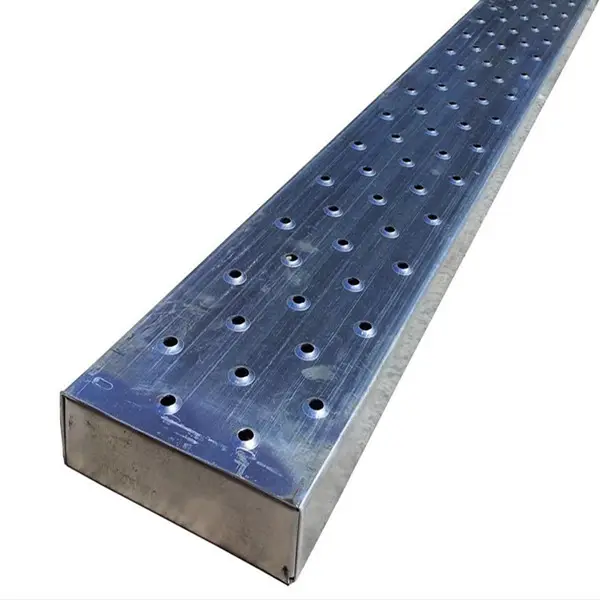
Why Standard Galvanized Steel Isn’t ESD-Safe — And What Makes It So
Surface Resistivity Fundamentals: The 10⁴–10¹¹ Ω/sq Window for Static Dissipation
To manage static electricity properly, surfaces need to have resistivity between 10 to the fourth power and 10 to the eleventh ohms per square. This range allows charges to dissipate slowly and safely instead of causing either quick sparks or building up dangerously high static levels. When materials fall below 10^4 ohms per square, they become too conductive which can lead to unexpected energy releases. On the flip side, anything over 10^11 ohms acts like an insulator, keeping charges trapped where they shouldn't be. Galvanized steel is a classic problem here since standard grades typically measure well over 10^12 ohms per square because of their zinc oxide coating. This puts them way beyond what's considered safe for proper charge dissipation and makes them unsuitable for use in ESD protected areas according to industry standards.
Galvanization & ESD Safety: How Zinc Coating Alone Fails Without Conductive Enhancement
Galvanized zinc offers great protection against rust and corrosion, but when it comes to ESD safety? Not so much. What happens is that over time, a layer of zinc oxide forms naturally on the surface. This stuff acts like an insulator, with resistance levels above 10^12 ohms per square. Compare that to materials specifically designed for ESD control, and regular galvanized steel just doesn't cut it. It can't really move or get rid of static electricity properly. That's why big name electronics companies have seen about a 73% drop in those pesky ESD problems once they started using specially made alternatives instead of their old galvanized parts. If proper ESD compliance is needed, manufacturers have to intentionally build conductivity into their products. This usually means either changing the metal composition itself or applying special conductive coatings. These modifications bring down the surface resistance to somewhere between 1 million and 1 billion ohms per square, which works well for most applications, all while still keeping that important corrosion protection that zinc provides.
Designing an ESD-Safe Galvanized Steel Board for Real-World EPA Compliance
Integrated Grounding Pathways and Surface Coating Synergy
Galvanized steel boards that are ESD safe need more than just surface treatment; they demand comprehensive design thinking. Zinc does offer good protection against corrosion, but it comes with a problem: its natural resistivity is way too high, over 10^12 ohms per square. That's why smart manufacturers build continuous grounding paths underneath the zinc coating. These can be copper grid systems or conductive layers that create proper channels for static electricity to safely reach the ground. Combine this setup with appropriate conductive top coatings and we get surface resistivity below 10^9 ohms per square, meeting the standards set by ANSI/ESD S20.20. Real world testing shows something important: about two thirds of all electrostatic discharge problems during electronics manufacturing come from boards that weren't properly grounded. Only when both material selection and electrical planning work together can these risks truly be eliminated.
Case Insight: Tier-1 Semiconductor Line Adoption of Grounded Galvanized Steel Boards
One major chip maker recently switched out their old laminate workstations for ESD-safe galvanized steel boards on three of their busiest production lines. The new grounding system cut down on resistance fluctuations by almost 90 percent, which meant fewer problems with static electricity damaging products. Annual failure rates dropped dramatically from around 5.3% down to just 0.8%. Maintenance teams also noticed something else interesting - repair bills went down about 40% over two years because these steel surfaces held up much better against scratches and impacts compared to those phenolic composite materials they used before. Independent tests showed everything met EPA standards too, including passing those tough 12kV human body model tests. So now this manufacturing plant can confidently say their workspaces are good enough for handling super sensitive components where even tiny electrical disturbances could spell disaster.
Galvanized Steel Board vs. Alternatives: Performance, Durability, and Total Cost of Ownership
Head-to-Head: Conductive Laminate, ESD Rubber, and Phenolic Boards
Electronics manufacturers must balance ESD performance, mechanical longevity, and lifecycle economics when selecting work surfaces. Key differentiators include:
| Feature | Galvanized Steel Board | Conductive Laminate | ESD Rubber | Phenolic Board |
|---|---|---|---|---|
| Static Dissipation | Consistent 10⁴–10¹¹ Ω range | Variable conductivity | High reliability | Surface wear reduces efficacy |
| Durability | 15+ years (impact-resistant) | 5–7 years (delaminates) | 3–5 years (cracks) | 8–10 years (chips) |
| Initial Cost | $$ | $ | $$ | $$$ |
| Maintenance | Minimal (wipe-down) | Frequent resurfacing | Chemical sensitivity | Edge sealing needed |
| TCO (5-year) | $1.2K | $1.8K | $2.3K | $2.5K |
When it comes to total cost of ownership, galvanized steel boards are hard to beat because they last forever basically and need almost no maintenance at all. Conductive laminate might look cheaper when first purchased, but companies often find themselves spending about half again as much on replacements later on since these materials tend to peel apart and wear out faster than expected. ESD rubber works great for conducting static electricity, but factory workers know it falls apart pretty quickly when exposed to those harsh chemicals used in manufacturing processes. Phenolic boards definitely come with a hefty price tag right off the bat, plus there's always the hassle of sealing edges and applying fresh coatings regularly. Looking at both environmental regulations and day-to-day operations, galvanized steel stands out as the best choice for facilities needing reliable electrostatic discharge protection while keeping costs down over many years of service.
Note: TCO estimates based on industrial facility operational data (2025).
Frequently Asked Questions
Why isn't standard galvanized steel safe for ESD environments?
Standard galvanized steel has a zinc oxide coating with high resistivity, which acts as an insulator preventing proper static electricity dissipation.
What changes are needed to make galvanized steel ESD safe?
To become ESD safe, galvanized steel may require conductive enhancements or special coatings that lower resistivity, ensuring static electricity is safely dissipated.
What are the benefits of using galvanized steel boards compared to alternatives?
Galvanized steel boards offer durability, low maintenance, and cost-effectiveness over time compared to other materials like conductive laminate and ESD rubber.