
 EN
EN
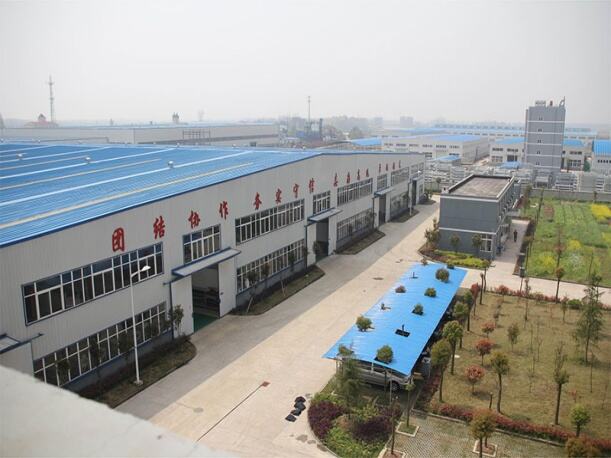
Precision Automation in Scaffolding Component Manufacturing
CNC-Integrated Punching, Cutting, and Bending Lines for Dimensional Consistency
CNC automation turns raw materials into scaffold parts with tolerances below 0.1mm, which basically gets rid of those pesky manual measurement mistakes and makes structures much more reliable. The whole process works because punching machines, cutters, and benders all talk to each other through CAD/CAM software. This ensures that when tubes meet connectors or ledger plates, everything lines up just right. During manufacturing runs, laser calibration systems constantly tweak the tools' paths in real time. This keeps dimensions consistent even when making thousands of pieces at once. Manufacturers report around 18% less material going to waste compared to traditional methods, plus they hit their dimensional targets about 99.2% of the time according to recent industry testing from Fabrication Insights last year.
Eliminating Human Variability: How Automated Machining Supports ISO 9001:2015 Compliance
When it comes to robotic machining, one big advantage is how it creates consistent workflows that eliminate those pesky inconsistencies from human operators, which account for around three quarters of all manual defects according to Quality Management Journal last year. These closed loop systems keep track of important process details like welding temps, bending angles, and how fast materials move through the machine. They create digital records that actually meet the paperwork demands of ISO 9001:2015 standards. The system also stops faulty parts before they get assembled, so problems such as uneven joints or crooked connections never make it past inspection. Overall, this kind of built-in quality control cuts down on site failures by roughly 35 or 40 percent, helping manufacturers stay within the safety margins required for structural integrity tests.
Real-Time Quality Assurance in the Scaffolding Factory
Vision-Based Inspection and Laser Gauging: Achieving 99.2% Dimensional Pass Rate
Vision systems with high resolution along with laser gauging allow for non contact inspection all around components while running at production speeds. These systems check if parts match their CAD designs within about 0.1mm accuracy. They spot problems with tube sizes, angle of couplers, and flatness at ends before anything gets assembled together. All the information goes straight to rejection gates controlled by PLCs which can throw out bad parts faster than 500 per minute. What does this mean? A pass rate of 99.2% when it comes to dimensions, which is actually 34% better than what we used to get with old fashioned manual checks. And here's something important too these systems automatically adjust machines further back in the process whenever needed, keeping everything within spec without needing anyone to step in and fix things manually.
Statistical Process Control (SPC) for Weld Seam Integrity and Tube Wall Thickness
SPC software keeps an eye on all those important numbers during robotic welding operations like arc voltage levels, wire feed speeds, and how much heat gets put into the joint. It also works alongside ultrasonic thickness checks to make sure everything holds together properly. When something goes off track, the system picks it up right away thanks to those control charts and Cp/Cpk metrics we all love so much in quality management circles. The results speak for themselves really. Weld porosity drops by around 40 percent give or take, penetration stays pretty much the same every time, and nobody has to worry about parts coming out too thin anymore because there are these automatic alerts when things start drifting outside normal ranges. Plus, having proper documentation of this whole process makes meeting ISO 3834 standards a lot easier than trying to fix problems after the fact with all that time consuming batch testing everyone hates.
End-to-End Automation Integration for Repeatability and Responsiveness
Predictive Maintenance and Digital Twin Applications Reduce Downtime by 37%
Putting end to end automation into practice means combining predictive maintenance with digital twin models so everything stays accurate and reacts quickly when needed. The system uses vibration detectors, heat sensors, and monitors for how much power things consume to spot problems long before machines actually break down during production runs. Digital twins let manufacturers test out different processes in a safe virtual space first. When companies need to make quick fixes like switching tools or adjusting settings, they can validate these changes fast without stopping their actual production lines. Plants that have adopted this approach are seeing around 37 percent fewer unexpected shutdowns according to Industrial Efficiency Benchmarks data. They also manage product transitions much quicker and keep materials moving smoothly through the facility even when orders come in with changing requirements week after week.
Standardized Robotic Welding in Scaffolding Factory Operations
Robotic welding systems follow programmed weld paths with about 0.05mm accuracy at important joints like where ledgers meet frames and cross braces connect. These machines take out the guesswork from human operators who might vary their arc speed or how much filler material they apply. The result? Studies show around 60 to maybe even 80 percent fewer defects compared to what people can typically achieve. Since robots don't get tired during long shifts, there's no drop off in quality over time. Plus, special sensors track the seam as it goes along, making real time adjustments so the weld penetrates evenly through tubes of different thicknesses. This matters a lot when structural strength is on the line.
The result is full alignment with ISO 3834 fusion welding certification requirements. Beyond compliance, optimized thermal management reduces rework by 45% and extends joint durability, eliminating undercut and porosity to ensure consistent tensile strength across all scaffold frames—directly reinforcing jobsite safety and structural integrity.
FAQ
What are the benefits of CNC automation in scaffolding component manufacturing?
CNC automation enhances precision with tolerances below 0.1mm, reducing manual errors and material wastage by 18%. It ensures reliable structural alignments and meets dimensional targets 99.2% of the time.
How does automated machining support ISO 9001:2015 compliance?
It creates consistent workflows and digital records meeting ISO standards, eliminates manual defects, and reduces site failures by up to 40% through built-in quality controls.
What role do vision systems and laser gauging play in quality assurance?
They conduct non-contact inspections to ensure accuracy, achieving a 99.2% dimensional pass rate and automatically adjust machines to maintain specifications.
How does predictive maintenance reduce downtime?
By combining with digital twin models, it identifies issues early and allows for fast validation of changes, reducing unexpected shutdowns by 37%.
Why is robotic welding favored in scaffolding operations?
Robotic welding provides consistent and precise welds with fewer defects, improves compliance with ISO 3834 standards, reduces rework, and enhances joint durability.