
 EN
EN
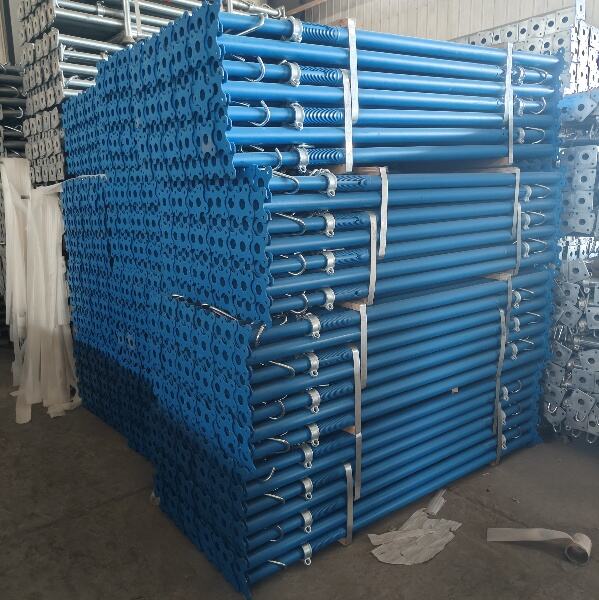
The Soft Ground Challenge: Why Standard Acrow Props Compromise Stability
Ground conditions that are too soft pose serious problems for temporary structures. Think about clay, loose dirt at the surface, or wet subsoils. These materials just aren't stable enough for regular Acrow props which need solid ground to carry building weights properly. When workers put up these supports on shaky ground, they often end up sinking, leaning sideways, or even breaking through the surface completely. The reason? Soft ground simply doesn't have enough strength to hold things up, so different parts settle at different rates. Small movements in the earth while something is being supported can mess up how weight gets distributed across all those metal supports. This makes the whole temporary setup less safe than it should be. Without proper groundwork prep work, normal Acrow props might not handle anywhere near what they're rated for. That leaves neighboring props taking on extra stress until eventually one fails and causes others to fail too, sometimes resulting in complete collapse. Looking at accident records shows time and again that poor foundation support lies behind many temporary structure incidents. To fix this problem, engineers need special solutions tailored for variable ground conditions. Starting with better bases made specifically for soft soils helps spread out the weight so nothing settles down unexpectedly. This approach works much better on tricky construction sites where traditional methods fall short.
Engineering Base Enhancements for Reliable Acrow Prop Performance
Optimized Base Plates and Adjustable Shims for Variable Soil Conditions
Regular base plates tend to sink or wobble when placed on wet ground, which really messes up the stability of Acrow Props during construction work. The newer models come with plates that are about 30 to 50 percent wider than standard ones, plus they have rough surfaces underneath to grab better hold of the soil and spread out the weight more evenly. Contractors love adding those adjustable polymer shims too, since they come in sizes from 5mm all the way up to 20mm thick. This lets them fine tune the prop positioning even on bumpy ground where things aren't level. On sites with lots of clay where the California Bearing Ratio drops below 3, tests in the field have shown these adjusted bases cut down on settling problems by around two thirds compared to old school rigid setups. Getting rid of load eccentricity matters a lot for jobs needing tight tolerances, especially when trying to stay within just 15 degrees off perfect vertical alignment.
Load Distribution Principles and Ground Assessment Protocols
Getting good force distribution starts with checking the ground conditions before installation work begins. Field engineers typically run dynamic cone penetrometer tests first, measuring how resistant the subsurface material is every 300mm along the test line. When test results come back below 4 MPa, it's time to bring in stabilizing agents such as bentonite mixtures for those top soil layers. This creates a solid layer beneath the surface that can handle between 20 and 30 kN per square meter without failing. After everything gets set up, keep an eye on things with laser levels throughout the first few hours of loading. Watch out for any movement exceeding 3mm because that's when problems start happening. At that point, most crews will either insert shims gradually or add extra base plates where needed. The whole approach works best when combining basic engineering principles with constant monitoring. This combination keeps Acrow Props standing firm even when dealing with poor quality soils, which saves money by avoiding expensive fixes later down the road.
Field-Validated Best Practices for Acrow Prop Deployment on Soft Substrates
Implementing field-tested protocols ensures Acrow prop stability on compressible soils. Construction teams must prioritize continuous ground assessment and adaptive load management during temporary structural support operations.
Clay-Substrate Case Study: Real-Time Settlement Monitoring and Response
An infrastructure job site working with high plasticity clay showed just how important sensor monitoring really is. Settlement rates went past the 5mm per hour mark, which engineers know means trouble is coming soon. The crew didn't waste any time responding. They put in extra base plates that expanded the bearing area by around 40 percent, added polymer shims where different parts were sinking at varying rates, and stopped digging nearby to take pressure off the sides. Because they had live data coming in, they could make these changes within about 15 minutes after first noticing movement, stopping total settlement from going over the 25mm safety line engineers had set. Looking back at what happened after everything was done, the team found that having constant monitoring cut down on unexpected prop adjustments by nearly 80% when compared to regular manual checks. This matters a lot for projects on soils sensitive to moisture, since getting too wet can really speed up how fast the ground loses its ability to support weight.
Selecting and Specifying the Right Base-Enhanced Acrow Prop
Picking the right base enhanced Acrow prop means looking at three main factors: how much weight it can handle, how much height adjustment is needed, and what kind of base stability features come with it. Start by figuring out the actual load requirements. Add together everything that will be resting on these props including the structure itself plus any moving parts like people walking around or machinery operating nearby. A good rule of thumb is to go for props that have a rating about 20% higher than what we calculated just to be safe from potential overloading issues down the line. When dealing with softer ground conditions such as clay or silt soils, bigger base plates make all the difference. Look for ones that measure at least 500 square millimeters in size when paired with those special polyurethane shims. These little pieces help spread out the pressure across uneven surfaces so the ground settles no more than 5 millimeters per hour right after installation.
Second, match telescopic height adjustments to site-specific clearance needs while ensuring locking mechanisms meet ISO 1461 corrosion resistance standards. In flood-prone zones, specify galvanized steel variants with drainage channels in base plates.
Before putting anything into place, it's wise to get structural engineers involved early on to run those penetrometer tests. What they find will help figure out how far apart the props need to be spaced. For most residential jobs, we're talking around 1.2 to 1.8 meters between them. The engineers can also tell if extra bits like timber needles might be needed to spread the weight properly across the ground. When checking the props themselves, don't forget to look closely for tiny cracks or damaged threads. Magnetic particle testing works great for this. Any prop showing more than half a millimeter of bend should go straight back to the warehouse. Take a look at what happened down at the Thames Estuary last year. The projects there saw a massive drop in problems during installation - about 63% fewer issues overall - simply because they followed these kinds of detailed checks instead of going with standard practices. Makes sense really, especially when dealing with wet, soggy ground conditions where mistakes cost time and money.
FAQ Section
What are Acrow props and why are they used?
Acrow props are adjustable steel posts used for temporary support in construction. They are typically used to support structures during building, renovation, or excavation works.
What challenges do Acrow props face on soft ground?
Soft ground can lead to instability in Acrow props due to inadequate support, leading to problems such as sinking, leaning, or breaking through the surface.
How can stability be ensured with Acrow props on soft ground?
Using enhanced base plates, adjustable polymer shims, and conducting ground assessments can improve stability. These measures help distribute weight more evenly and prevent sinking.
What is the process for ground assessment before using Acrow props?
Ground assessment typically involves dynamic cone penetrometer tests to measure soil resistance. Stabilizing agents can be used to create a solid layer beneath the surface for better support.
What should be considered when selecting Acrow props?
Consider load requirements, height adjustments, and base stability features when selecting Acrow props. Base plates should be large enough to distribute weight and shims should be used to maintain stability.